What sustainable packaging trends will define 2026?
Staying ahead of the field will pay off — as “packaging shame” grows, consumers are actively choosing brands that prioritise eco-friendly materials with minimal waste. Beyond reputation, there are real benefits: lower costs, improved efficiency, and the ability to stay compliant with tightening environmental regulations.
In 2025, demand surged for packaging that’s lighter, smarter, and easier on the planet. Materials made from plants, seaweed, and even mushrooms moved into the mainstream as brands searched for greener solutions. In 2026, that momentum will only grow. Expect the demand for next-generation biodegradable materials to increase, and smart packaging — featuring sensors, QR codes, and real-time insights — to play a bigger role in the customer experience.
Making the right choices now can strengthen your brand reputation, cut long-term costs, and keep you ahead of evolving expectations. Here are the sustainable packaging trends to watch.
Next-generation materials
Say goodbye to traditional plastics. In 2026, more businesses are shifting toward bio-based alternatives like polylactic acid (PLA) — a compostable plastic made from corn starch — and mushroom-based packaging grown from mycelium. Unlike conventional plastics, these materials can break down in composting conditions within just a few months. And thanks to rising demand, these options are no longer limited to big-budget brands. Today, SMEs can access bio-based packaging through specialized suppliers, co-packing partners, and ready-to-use formats designed specifically for e-commerce.
Circular solutions
The days of single use are numbered. Circular packaging — designed to be reused, refilled, or returned — is quickly gaining momentum. By keeping materials in circulation for longer, these systems help businesses significantly reduce waste and improve sustainability. Deposit-return schemes are one strong example. Once limited to drinks bottles, they’re now expanding into cosmetics and household products. The added bonus? Customers are more likely to return — and repurchase — when there’s an incentive tied to the packaging.
Smart packaging
What if your packaging could do more than just protect a product? In 2026, smart packaging will help customers learn how to dispose of materials responsibly – all through QR codes, NFC tags, or embedded sensors. Take beverage company, Danone, for example. By scanning the QR codes on bottles and entering their post code, consumers can receive real-time guidance on whether a specific packaging material is accepted in their local recycling programs. Label-free technology is also supporting sustainable returns, allowing e-commerce customers to send back items without printed labels – simply by scanning a QR code.
Lightweighting
Less really is more. Lightweighting is the practice of using fewer materials without sacrificing durability. Whether it’s thinner cardboard or thinner film based packaging innovative folding techniques, or strength-engineered materials, smart design can cut both shipping costs and emissions. For fast-growing e-commerce businesses, these savings add up quickly and create measurable impact at scale.
Consumer-driven design
Minimalist, reusable, recyclable — eco-conscious consumers are paying closer attention than ever. Packaging is no longer just about protection; it’s a direct reflection of your brand values. Take outdoor apparel brand Patagonia (for example), their new initiative is to eliminate packaging sourced from endangered forests, they’ve turned their sustainable packaging strategy into a meaningful and visible part of their brand story.
Personalisation meets eco-luxury
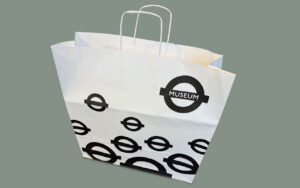
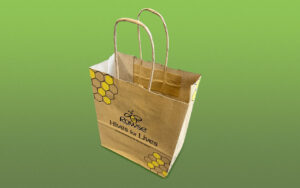
Eco doesn’t have to mean plain. In fact, some of the biggest names in fashion and retail are proving that sustainable can also feel premium. Think personalized messages and recycled materials with a high-end finish. At Elliott Packaging we are seeing a definite shift towards unlaminated luxury rope handle bags, by manufacturing this popular high end bag (popular with retailers) without the laminate it becomes totally recyclable. Whether it’s a eco-friendly stand up pouch or beautifully designed compostable mailing bag, details like these help your brand stand out – and show your commitment to doing better.
Regulatory shifts
Sustainability isn’t just about staying ahead of trends – it’s also about staying compliant. Dozens of countries are now enforcing bans on single-use plastics or mandating minimum levels of recycled content. For cross-border businesses, the ability to adapt quickly to packaging regulations will be a key differentiator. The good news? Planning ahead now gives you an edge later.
Stay ahead in sustainable packaging
Embracing sustainable packaging isn’t just good for the planet — it’s a smart business decision. By adopting eco-friendly solutions now, SMEs can reduce costs, strengthen their brand, and build deeper customer loyalty. And with expert sustainability insights and guidance, Elliott Packaging is here to support your journey every step of the way.